

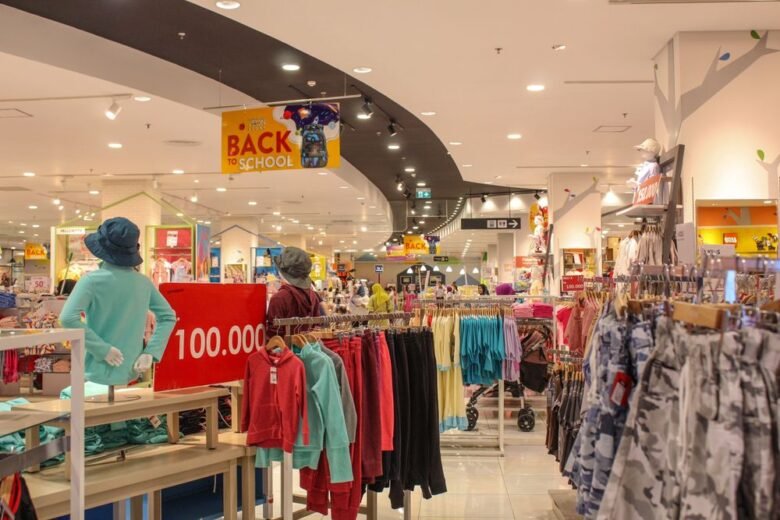
If you’ve heard rumors about Boscov’s shutting its doors, you’re not alone. When you see brands your parents grew up with, it’s natural to worry about their future—especially with news about retail bankruptcies making headlines. Boscov’s, a staple for many East Coast shoppers, has faced its share of hard moments over nearly a century. Let’s break down what’s actually happening with Boscov’s, and what it means for you if you’re drawing lessons for your own business journey.
The Boscov’s Story: A Quick Overview
Boscov’s opened its first store back in 1914, in Reading, Pennsylvania. It started small, family-owned, and run with a simple premise: offer good value, treat customers kindly, and become a part of the community. Over the decades, Boscov’s stuck to those roots while expanding to dozens of locations. It’s survived market changes, recessions, and shifts in shopping habits that have taken down many regional retailers.
So, is Boscov’s shutting down now? The short answer is: No, Boscov’s is not going out of business. Let’s look at why, and cover the ups and downs that brought them here.
The 2008 Bankruptcy: What Happened
Back in 2008, Boscov’s hit a rough patch—something even the healthiest companies can’t always dodge. The Great Recession knocked the wind out of countless retailers. In August 2008, Boscov’s filed for Chapter 11 bankruptcy, which, simply put, is a legal timeout. It gives businesses breathing room to restructure, rather than closing their doors outright.
Chapter 11 bankruptcy is reorganization, not liquidation. The aim is to get finances in order, close what isn’t working, and preserve what is. For Boscov’s, that meant shuttering about 10 underperforming stores out of more than 40. If you’re running a business—large or small—think of it as trimming the branches to keep the tree alive. The closure focused on locations with poor sales or overlapping markets.
But the rest of the stores stayed open. Staff continued to serve customers, and suppliers kept working with Boscov’s, all while things were being sorted out behind the scenes.
Coming Back: How Boscov’s Emerged from Bankruptcy
If you’re wondering whether bankruptcy is the end of the line for a business, Boscov’s story says no. After entering Chapter 11, key members of the Boscov family stepped back into leadership. They crafted a plan to buy the company out of bankruptcy. It was a risky but focused move—reclaim control, fix the balance sheet, and focus on what made Boscov’s beloved in the first place.
Next, the leadership negotiated with creditors, suppliers, and landlords. They secured financing and made tough calls about which assets to keep. By September 2009, Boscov’s was out of Chapter 11, with a leaner, healthier structure.
For entrepreneurs, this phase is pure business triage: Find your critical operations, cut excess, and rebuild your foundation. It’s a solid reminder to focus hard on what you do best.
Boscov’s Today: Solid Ground and Growth
Now let’s get to what matters for your peace of mind. As of 2024 and into 2025, Boscov’s is not only in business—it’s expanding again.
A key sign of business health? Zero debt. That means Boscov’s isn’t weighed down by massive loan repayments or interest. For context, many retail chains limp along with large amounts of debt, making them vulnerable to downturns. Boscov’s financial house is in order, with owners prioritizing stability over risky growth.
You’ll find Boscov’s stores in 51 locations across Pennsylvania, New York, New Jersey, Ohio, Delaware, Maryland, Connecticut, and Rhode Island. They’ve even opened several new stores in the past three years. Headlines calling Boscov’s “the last family-owned department store in the country” hint at its rare status, but also highlight its staying power.
If you’re watching retail news and thinking big businesses always win, here’s something interesting: Boscov’s has doubled down on community connection, personal service, and value—offering lessons that apply whether you’re running an indie coffee shop or a tech startup.
Why Did Boscov’s Survive When Others Didn’t?
This is the question every entrepreneur should ask. Here are some key reasons Boscov’s stayed standing while so many fell:
- Loyal Customer Base: Boscov’s prioritized loyalty by offering strong customer service, community engagement, and a familiar in-store experience.
- Focused Expansion: After bankruptcy, Boscov’s avoided “growth for growth’s sake.” They chose openings based on real demand and avoided overextending into untested territories.
- Debt-Free Operations: By paying off debt, they gained flexibility. Less debt means resilience when tough times hit—something business owners can appreciate.
- Family Ownership: Having decision-makers invested for the long term reduced short-term risk-taking and kept focus tight on survival and gradual growth.
- Adaptation: While staying true to its roots, Boscov’s adapted its inventory and services to reflect changing customer needs—holiday shops, home goods, and special events are examples.
If you’re building something of your own, these are the same strengths to nurture in any industry.
What’s Ahead? Boscov’s Future Outlook
Right now, there are no credible reports or news stories suggesting Boscov’s is shutting down. In fact, the opposite is true. The company continues to invest in store updates, employee training, and community engagement. Reviews from shoppers and employees suggest that Boscov’s is a stable place to work and shop.
But that doesn’t mean it rests easy. The retail market is tough. Online competition, rising costs, and changing customer expectations keep every brick-and-mortar chain on alert. Still, Boscov’s appears to be weathering these storms. Its strategy: build slow, listen to local communities, avoid debt, and deliver experiences or value shoppers can’t get online.
If you’re an entrepreneur, consider these strategies your own playbook. Start with a clear mission. Next, build feedback loops with your customers. Focus resources where your strengths shine, and keep operations lean.
Lessons for Entrepreneurs and Small Businesses
Boscov’s journey is a real-world case study in resilience, not just another “retail apocalypse” story. Here’s what you can take away for your own project or venture:
- Always have an honest view of your finances. Know when to cut costs, even if it’s painful.
- If a part of your business isn’t working, fix it fast or let it go. This prevents small troubles from snowballing.
- Don’t be afraid of tough conversations with lenders, vendors, or customers—honesty and directness can lead to new solutions.
- Community still matters. Whether you’re selling online or in-person, know who you serve and build real relationships.
- Expansion should come after your core is stable and proven. Avoid piling up debt or growing just for headlines.
Starting up or rebooting an idea? Build your business with a strong foundation, clear vision, and willingness to adapt. You’ll increase your odds of surviving what the economy throws your way.
For more hands-on tips in making your business official or setting your first milestones, check trusted resources like TheBizLogic. You’ll find guides on structuring, funding, and planning your next steps.
Boscov’s: Not Going Anywhere—Here’s Why
To wrap up: Boscov’s is not disappearing from the retail map. Yes, it endured a challenging bankruptcy in 2008, and yes, it closed some troubled stores. But those moves were about survival, not surrender. Thanks to decisive leadership, tight financial management, and a customer-first approach, Boscov’s has emerged stronger than before.
If you’re mapping out your business’s future, use Boscov’s history as reassurance: survival often requires smart pivots and temporary pain before growth returns. It’s not always glamorous, but it is doable.
TL;DR for founders and operators:
- Boscov’s had a bankruptcy over a decade ago, closed a handful of stores, and reset operations.
- Today, it runs 51 stores and is not planning to go out of business.
- Smart adaptation, community focus, and zero debt helped them stay in the game.
Want to keep your venture healthy? Learn from Boscov’s: Know your numbers, adapt quickly, think long-term, and value your core customers. Stick to these basics, and you’ll give your business the best shot at thriving—no matter what headlines appear.
Read Also: