

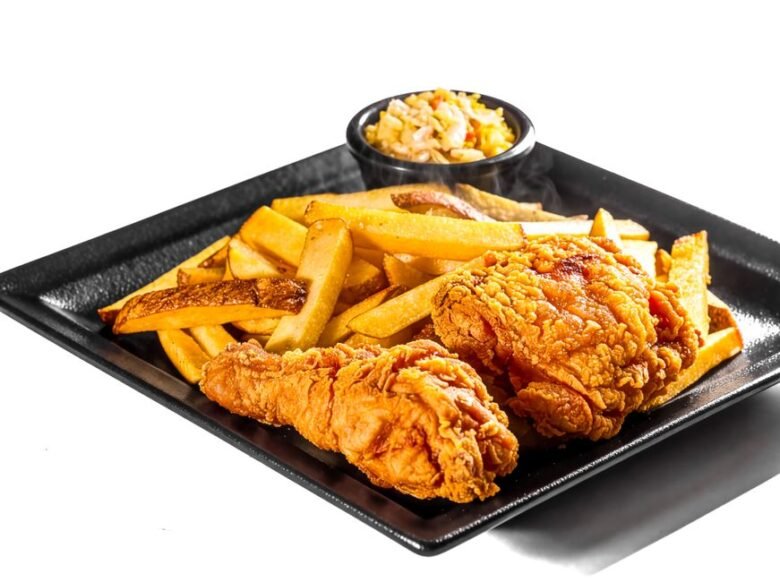
Are you hearing chatter online that Bojangles is shutting down for good? You’re not alone. Maybe you noticed your local Bojangles closed and wondered if the entire brand is on the way out. Here’s the truth: Bojangles is not going out of business. In fact, the chain is operating hundreds of restaurants, growing into new markets, and looking to the future. Let’s break down the current situation—without the rumors, confusion, or panic.
Bojangles Today: Still Sizzling and Expanding
Start with facts, not fears. Bojangles currently runs over 800 locations across at least 17 U.S. states, with the biggest presence in North Carolina. That’s not a company pulling up stakes—it’s a thriving chain. Looking ahead to 2025, Bojangles expects to have restaurants across 22 states. There’s solid momentum as the company enters new regions like Arizona, California, Kansas, Missouri, New York, and Oklahoma.
Ask yourself: Would a brand in trouble open new stores in distant markets? Growth like this signals confidence and a strong underlying business. As one spokesperson said, “Bojangles will always be in the business of serving delicious Southern chicken, biscuits, and tea, and that will never change.” If you’re considering franchising or investing in a food concept, this type of growth pattern should give you reassurance.
What Does “Exploring a Sale” Mean for Bojangles?
Lately, news stories mention Bojangles is “exploring a sale.” This often triggers concern—does this mean closure? Actually, in business, “exploring a sale” typically means the owners are considering selling their stake to new investors or a big company. It doesn’t mean restaurants are closing or the food is vanishing.
Bojangles is working with investment bankers to see if there’s a buyer willing to acquire the chain for a reported value around $1.5 billion. If you glance at Wall Street Journal headlines or trade sites, you’ll notice: these sales can take months (or never materialize). At the end of the day, the restaurants keep operating, and sometimes they run even better under fresh ownership.
History: Previous Ownership Changes at Bojangles
Curious about how this works in reality? Bojangles was sold in 2019 to two investment groups, Durational Capital Management and The Jordan Company, for roughly $539–$579 million. But customers didn’t see any major changes—the cans of Legendary Iced Tea and Cajun chicken biscuits kept coming.
When you see national chains sold or “go private,” it often means tweaking the finances and management, not shuttering stores en masse. It’s a shift at the corporate level. Think of it like changing the owner of a football team. Players and fans may barely notice, especially if the new owner wants to win.
Local Closures: Separating Perception from Reality
Why all the end-of-Bo talk online? Because for some cities or regions, all their Bojangles have shut down at once—leading locals to assume the whole chain is disappearing. In truth, these are almost always franchise-specific issues, not signs of a system-wide problem.
Let’s dig into a few case studies:
- Maryland: All five locations closed after the franchise owner exited the Bojangles system, facing allegations of wage theft and fraud. Bojangles called this “franchisee-specific” and said it hopes to reopen those spots with new partners.
- Central Florida: All locations ran by a single local owner closed suddenly after that owner left the restaurant business altogether.
- Jacksonville, FL: According to customer anecdotes, the local franchise group went under, closing standalone shops, though a few travel-center locations stuck around.
For aspiring entrepreneurs, this is a reminder: Franchise systems rely on the financial and operational health of their local partners. When a franchisee leaves, it can wipe out a region, but the brand itself—meaning the recipes, systems, support, and name—lives on.
Is Bojangles Closing Stores? Yes—But Strategically
So, is it true that Bojangles has closed some doors? Yes, but with clear intent. Every large chain periodically weeds out underperforming or poorly situated locations. Bojangles recently announced it would shut down 10 company-owned restaurants across four states—mostly outside its core Southern base.
Why do this? Because keeping a store open with low sales or high costs can drain the whole operation. That’s a business move to protect company health, not a panic signal. For context: these targeted closures have mostly affected states like Alabama, Kentucky, Tennessee, and Virginia. No closures are planned in the Carolinas, the company’s home turf.
In parallel, Bojangles made a few menu tweaks—dropping some low-performing items like the jambalaya bowl and smoked sausage biscuit. This is normal in the quick-service business. The mainstays (chicken, biscuits, legendary tea) stay put.
TL;DR: Franchise vs. Brand Closures
If every Bojangles in your area is gone, check who was running those stores. Many stories causing confusion stem from franchise owner departures or business failures. Here’s a simple framework you can use:
If the website bo.com is up and locations are still opening in other states, the brand is healthy.
Local or regional losses are usually about a franchisee’s finances, not the company as a whole.
For anyone building a franchise business, this is practical evidence: the underlying brand can keep growing, even as individual franchisees come and go.
Temporary Store Closures: Why Did Bojangles Close Nationwide For Two Days?
A year or two ago, you might have heard about all Bojangles corporate restaurants closing for two days. That sounds alarming at first. Here’s what actually happened: Bojangles scheduled two “rest days” (Aug. 30 and Sept. 13) to give all employees a paid, planned break. With pandemic burnout and staffing shortages top of mind, Bojangles wanted to boost morale and retention.
So, no, these weren’t bankruptcy days or “closed until further notice” scenarios. The stores reopened, and the core business kept humming. If you’re weighing a restaurant startup, think about how staff well-being can impact your long-term playbook.
Menu Myths and Strategic Shifts
Let’s talk about more recent rumors: Is Bojangles ditching chicken? Will biscuits disappear? Short answer—no.
Some social buzz suggested Bojangles might drop bone-in chicken or overhaul the menu. Here’s the company’s response: The menu is being streamlined in new markets, putting boneless chicken front and center to match shifting tastes. But in legacy areas, the iconic options—the Southern fried bone-in chicken and breakfast biscuits—aren’t going anywhere.
What’s the takeaway? If you’re considering opening a franchise or following a competitor’s example, adapting products for specific markets can help growth. Just don’t confuse local tweaks with company-wide changes.
Pushing Beyond Local Problems: What’s Next For Bojangles?
Let’s zoom out. When you scan headlines about pay disputes, closures, or a “potential sale,” don’t confuse regional hiccups with the collapse of the full brand. The stories scaring customers in Maryland and Central Florida are about franchise-level setbacks, not Bojangles as a whole.
Right now, Bojangles is in expansion mode. It’s entering more states, targeting urban and truck stop locations, and leaning into tech-driven delivery channels. Those are signs of an operator looking ahead—not packing up.
Considering a food business or a franchise? Learn from Bojangles’ playbook: regular pruning, selective menu innovation, and a strong core offering create staying power in the face of market shocks.
If you’re a small business owner, these lessons apply directly. Are some of your “stores” (think: product lines, locations, or side-hustles) underperforming? Be honest about what’s working, and don’t fear strategic cuts. Start with careful data, then make changes with clear goals—just like Bojangles.
Wrapping Up: Bojangles Is Here To Stay
Let’s bring this full circle. Bojangles is not going out of business. While some local stores and franchise groups have closed, the overall system is robust, growing, and exploring new markets. Any talk of a company-wide collapse is just that—talk.
Keep a level head when rumors swirl. Whether you’re a customer missing biscuits, or an entrepreneur weighing franchise risks, always separate individual closures from brand trajectory. Need more actionable business advice? Visit The Biz Logic for smart breakdowns, guides, and start-up tools.
The main things to keep in mind: Regional problems usually reflect local business challenges, not the health of the whole brand. Chain-level adjustments (ownership changes, menu tweaks, strategic closures) are often signs of good management, not trouble. Take these cues to heart as you build—refining your own business is part of staying “in business” for the long haul.
Bojangles is open for breakfast, lunch, and dinner. Your local spot might have closed its doors, but the brand itself? It’s still serving, still growing, and not going anywhere.
Read Also:
- Is Taryn Rose Shoes Going Out Of Business?
- Is Purecane Going Out Of Business?
- Is 32 Degrees Going Out of Business?